June 18, 2026
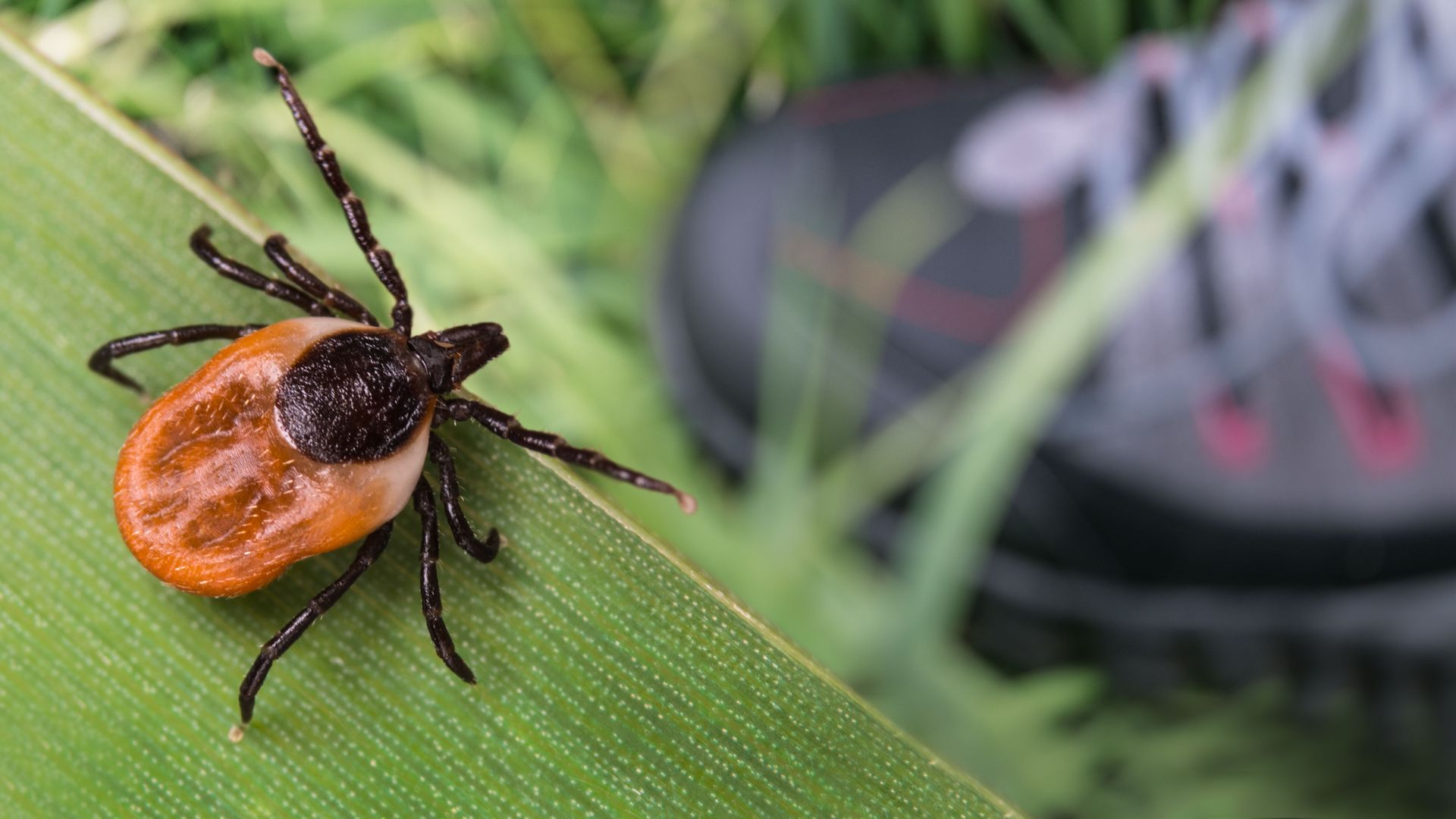
Lyme disease represents a severe health threat to individuals spending time in nature. Blacklegged ticks transmit this debilitating illness through bites. These resilient parasites wait on tall grasses and low branches for passing hosts. When humans or animals brush against overgrown vegetation, the parasites latch onto exposed skin and begin feeding. The consequences range from mild skin rashes to severe joint pain and neurological issues. Comprehensive awareness remains critical for disease prevention.
Many individuals assume exposure happens during deep wilderness excursions. However, a significant portion of bites occurs in residential backyards. Families spend countless hours relaxing and gardening on personal property, unaware of the lurking danger. Without proactive intervention, these domestic spaces become breeding grounds for disease carriers. Implementing robust tick control strategies transforms a hazardous yard into a secure environment. Such decisive measures stop the transmission cycle before it reaches vulnerable human targets.
Assessing the Landscape for Potential Habitats
Property evaluation constitutes the critical initial step in risk reduction. Ticks thrive in humid, shaded environments and perish in sun-drenched areas. Overgrown sections of a yard provide the moisture levels required for parasite survival. Deep leaf litter accumulations at the lawn edge create an ideal insulating blanket for nymphs and adults. Residents must identify these moisture zones across the property to formulate a proper defense plan.
Wooded boundaries present the greatest danger to residents. The transition zone between manicured grass and wild forest harbors dense populations of waiting parasites. According to Johns Hopkins University, there are around 475,000 cases of Lyme disease diagnosed annually. This staggering statistic highlights the absolute necessity of methodical property inspections. Identifying danger zones allows property owners to focus mitigation efforts on the most infested areas of the landscape.
Beyond the wooded edges, specific architectural yard features attract dangerous pests. Retaining walls, stacked firewood, and rustic stone fences offer extensive shade and constant humidity. These unmanaged structures attract small rodents, which serve as primary hosts for juvenile ticks seeking blood meals. When mice inhabit stone walls, parasites follow and multiply. Mapping these structural features helps residents comprehend the hidden vulnerabilities of a seemingly pristine landscape.
Shaded play areas and outdoor seating zones require special attention from property managers. Swing sets or hammocks positioned under dense tree canopies expose individuals to resting parasites dropping from branches. Sunlit spaces offer natural protection because ultraviolet rays and intense heat cause fatal desiccation in pests. Homeowners mapping their properties must prioritize moving recreational equipment into direct sunlight. Such spatial adjustments disrupt the physical connection between human activity and parasite habitats.
Managing the Vegetation for Reduced Exposure
Systematic vegetation management serves as a fundamental cornerstone of residential tick control. Regular, aggressive mowing keeps grass blades short and eliminates the vertical structures parasites use for questing. Questing involves a predatory posture where the pest extends front legs to snag passing hosts. Short grass exposes the underlying soil to harsh sunlight, creating a dry microclimate that prevents parasite survival and discourages migration across the lawn.
Diligent leaf litter removal demands equal priority during property maintenance. Fallen autumn leaves trap ground moisture against the earth, preventing evaporation. Nymphs, the most dangerous life stage regarding disease transmission, depend on this trapped moisture to survive dry months. Raking leaves and clearing organic debris from the lawn surface removes crucial shelter. Property owners must discard collected organic matter in distant zones or compost it in a sealed container.
Pruning thick shrubs and trimming low-hanging tree branches increases vital sunlight penetration. Dense bushes block passing wind and cast heavy shadows, fostering damp conditions underneath the foliage. By thinning the overhead canopy, homeowners promote air circulation and decrease surface soil moisture. Ground covers like creeping ivy harbor massive pest populations due to their dense nature. These ground covers require strict physical boundaries or total removal to guarantee yard safety.
Creating a physical buffer zone enhances safety at the property perimeter. Wood chips or crushed gravel paths placed between the forest edge and the green lawn act as a formidable migration barrier. Pests hesitate to cross dry, hot surfaces due to the risk of fatal dehydration. A wide mulch barrier restricts silent movement from the wild woods into the recreational grass. This landscape modification dictates pest boundaries and keeps them isolated.
Restricting the Wildlife for Fewer Carriers
Parasitic pests rely on wild animal hosts for geographic transport and crucial blood meals. White-footed mice play a massive role in the regional disease cycle. These tiny rodents carry the specific bacteria responsible for Lyme disease and infect juvenile pests during the initial feeding process. Limiting rodent populations on residential properties decreases the disease prevalence, acting as a form of biological tick control that breaks the chain of transmission.
Eliminating accessible food sources deters mice and other rodents from settling near homes. Bird feeders drop excess seeds onto the ground, drawing hungry rodents out of the protective woods. Homeowners should remove bird feeders or relocate them to a distance away from the main house. Securing garbage cans with tight lids and keeping compost bins sealed also discourages foraging wildlife from establishing permanent nests near human dwellings.
Large mammals like deer transport mature parasites across vast landscapes, bridging the gap between deep woods and suburban yards. A lone wandering deer can introduce massive quantities of breeding pests to a well-maintained lawn. Installing high exclusion fences restricts deer access to the vulnerable property, acting as a definitive shield. While representing a significant structural investment, tall exclusion fences provide robust defense against continuous re-infestation from roaming herds.
Planting unappealing, deer-resistant flora offers a practical alternative to expensive fencing. Deer consume hostas, daylilies, and tulips, wandering near patios and entryways in the process. Replacing appetizing plants with unpalatable options like strong-scented ferns or sharp ornamental grasses keeps large mammals at a safe distance. When deer avoid a yard, they drop fewer parasites onto the grass. This biological approach limits the continuous introduction of new pests into the environment.
Applying the Treatments for Lasting Defense
When environmental landscape modification falls short, chemical or natural applications become necessary. Targeted tick control treatments decimate pest populations within the specific treated zones. Acaricides, specialized pesticides designed for arachnids, eliminate resting and questing parasites on contact. Trained professionals apply these potent solutions to the yard perimeter, targeting the transitional brush, dense ground covers, and deep leaf litter where the majority of pests congregate and wait.
Timing the liquid applications maximizes their destructive impact on the pest life cycle. Spring treatments target the emerging nymph stage, which poses the greatest threat to human health due to its minuscule, hard-to-spot size. Late fall applications address mature adult pests before harsh winter dormancy sets in. Adhering to a strict seasonal schedule ensures continuous protection throughout the peak activity periods when human outdoor recreation reaches its zenith.
Defending against Lyme disease requires proactive, relentless environmental management. Treating a backyard as a haven demands consistent physical effort and intelligent strategy. Implementing rigorous yard tick control measures secures the property perimeter and stops crawling pests from infiltrating human recreational spaces. Through landscape modification, strict wildlife restriction, and targeted perimeter treatments, property owners reclaim the outdoors and create a sanctuary devoid of hidden dangers.
No lone tick control method guarantees flawless immunity from infectious bites. However, combining multiple defensive layers produces a formidable barrier against disease-carrying parasites. Consistent yard maintenance protects families, pets, and neighborhood visitors from unseen threats lurking in the tall brush. Prioritizing exterior defense ensures outdoor recreation remains a healthy source of joy rather than a stressful health hazard for the entire community. At Lawn Management, we are dedicated to securing your property with comprehensive tick control. Contact us today to schedule your landscape evaluation and let our team help you reclaim your backyard.