July 22, 2026
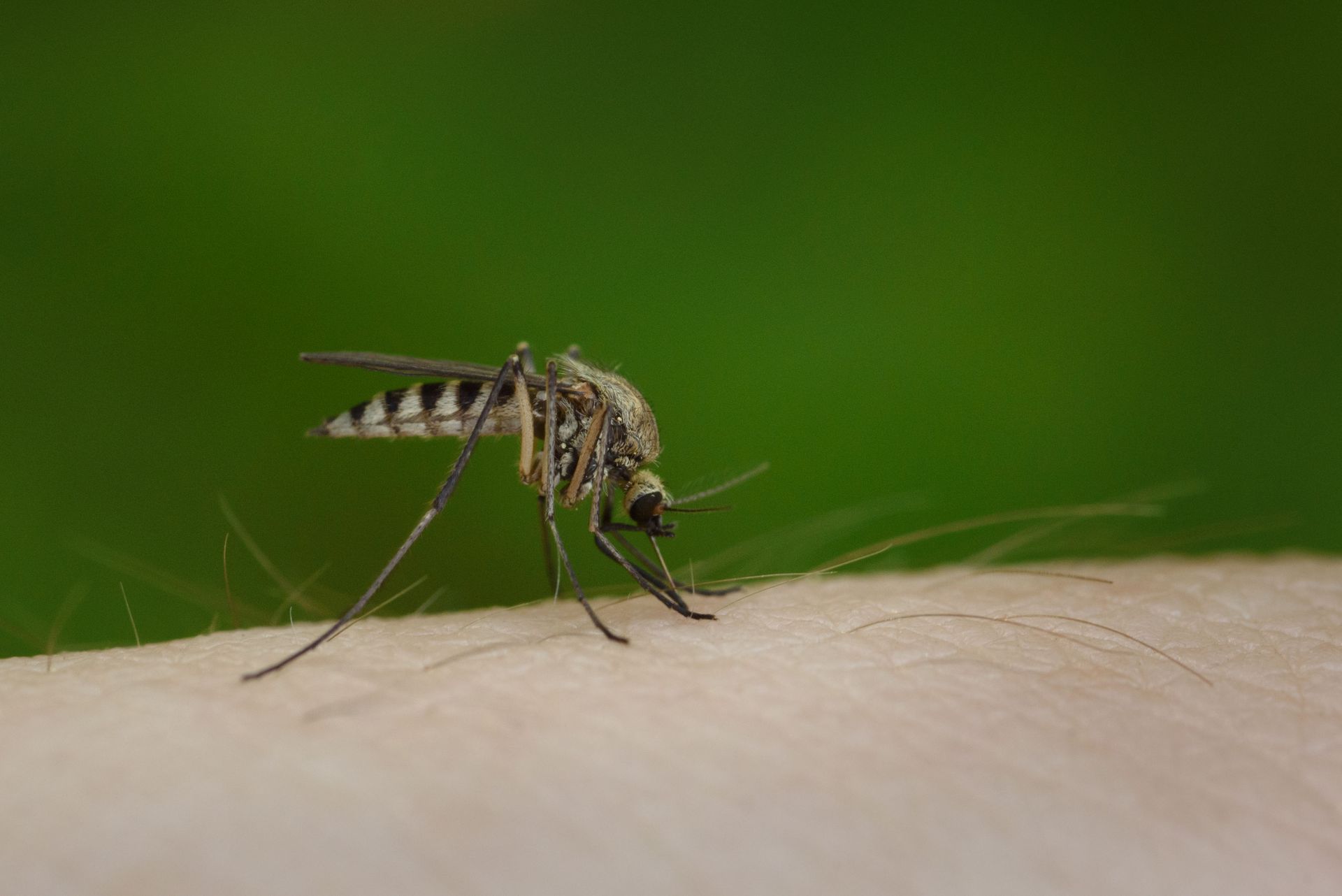
Warm evenings, backyard gatherings, and time spent gardening can quickly become less enjoyable when mosquitoes are active. Their bites are irritating, their buzzing is distracting, and their presence can make patios, decks, and lawns feel unusable. Because mosquitoes often reproduce close to homes, even a small amount of standing water can contribute to a growing population. Property owners who take a proactive approach can reduce these problems before they become overwhelming.
Mosquito control focuses on more than killing insects that are already flying around the yard. It also addresses breeding areas, resting sites, moisture conditions, and landscape features that allow mosquitoes to remain active. A coordinated strategy can make outdoor areas more comfortable while supporting broader pest management efforts. By combining property maintenance with targeted treatments, homeowners can reduce bites and create a yard that is less inviting to mosquitoes and other unwanted pests.
Reducing Mosquito Breeding Areas
Mosquitoes need water to complete the early stages of their life cycle. Some species can reproduce in very small amounts of standing water, which means overlooked objects may create ideal breeding sites. Birdbaths, clogged gutters, plant saucers, toys, buckets, tarps, and low spots in the lawn can all collect water after rain or irrigation.
Effective mosquito control begins with identifying and correcting these conditions. Emptying containers, improving drainage, cleaning gutters, and refreshing water features regularly can interrupt mosquito development. Homeowners should also inspect less obvious areas, including hollow fence posts, wheelbarrows, pool covers, and outdoor equipment.
According to the CDC, there are more than 3,700 mosquito species found worldwide. Their behavior and breeding preferences vary, but limiting access to standing water remains one of the most practical ways to reduce local populations. Regular property inspections help prevent new breeding sites from developing between professional treatments.
Limiting Mosquito Resting Sites
Adult mosquitoes often seek cool, shaded, and protected areas during the day. Overgrown shrubs, tall grass, weeds, dense ground cover, leaf piles, and debris can provide convenient places for them to rest. When these areas are close to patios, doors, play spaces, or walkways, mosquitoes can easily reach people spending time outdoors.
Routine landscape care supports mosquito control by reducing the shelter these pests use. Mowing the lawn, trimming shrubs, removing weeds, and clearing organic debris can improve airflow and sunlight exposure. These changes make the landscape less comfortable for mosquitoes while helping the yard look more orderly.
Vegetation should be maintained without removing every beneficial plant or shaded feature. The goal is to prevent excessive density and moisture, especially near commonly used areas. Strategic pruning and cleanup can reduce pest activity without sacrificing the appearance or function of the landscape.
Reducing Exposure to Mosquito Bites
Mosquito bites can cause itching, swelling, and general discomfort. Frequent biting can also discourage children, pets, and adults from using the yard. When mosquito activity is high, people may avoid outdoor meals, gardening, exercise, or evening relaxation even when the weather is pleasant.
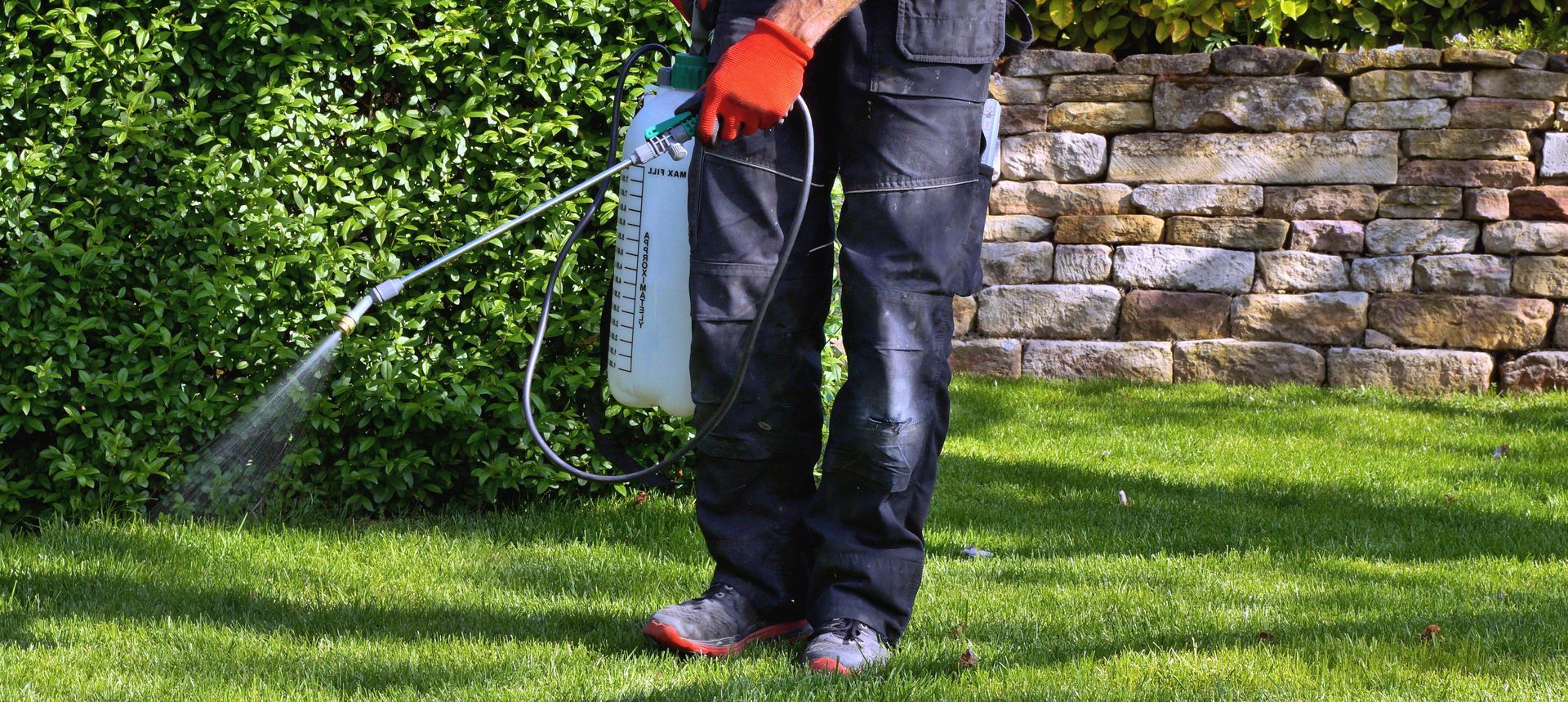
A structured mosquito control plan can lower the number of adult mosquitoes around high-use spaces. Treatments may be directed toward foliage, shaded areas, fence lines, and other locations where mosquitoes tend to rest. Reducing the population near these areas can decrease the likelihood of repeated bites.
Homeowners can add personal protective measures when mosquitoes are especially active. Wearing long sleeves, using appropriate repellents, repairing window screens, and running outdoor fans can provide additional protection. These steps work best when they support, rather than replace, property-wide prevention and treatment.
Improving Comfort in Outdoor Areas
A yard should feel like an extension of the home, not a space that must be avoided because of pests. Mosquitoes can interfere with cookouts, birthday parties, outdoor projects, and quiet evenings on the patio. Even a few persistent insects can make guests uncomfortable and shorten the time people spend outside.
Consistent mosquito control can help homeowners use outdoor areas more confidently. When breeding sites are removed and adult populations are managed, patios, decks, pools, and lawns may become more enjoyable throughout the warmer months. This improvement can be especially valuable for households that regularly entertain or spend time outdoors.
Comfort also depends on timing. Mosquitoes are often more active during specific parts of the day, and populations may increase after periods of rain or humidity. Ongoing monitoring allows property owners to respond to changing conditions instead of waiting until activity becomes severe.
Supporting Broader Pest Prevention
Landscape conditions that support mosquitoes may also attract other pests. Standing water, thick vegetation, decaying leaves, and clutter can provide moisture, food, and shelter for flies, ants, ticks, and other insects. Correcting these conditions can therefore improve more than one aspect of pest prevention.
Mosquito control works well as part of a complete lawn and landscape maintenance strategy. Proper mowing, drainage improvements, seasonal cleanup, and vegetation management help create conditions that are less favorable to multiple pests. These practices can also support healthier turf and plant growth by reducing excess moisture and overcrowding.
Homeowners should pay attention to recurring problem areas. A section of the lawn that remains wet, a gutter that overflows, or a shaded corner that accumulates debris may continue to attract pests until the underlying issue is resolved. Addressing the source provides more lasting results than reacting to each new outbreak separately.
Maintaining Results Throughout the Season
Mosquito populations can change quickly as temperatures, rainfall, and humidity shift. A yard that has little activity one week may experience a noticeable increase after several warm, wet days. For this reason, a single cleanup or treatment may not provide consistent protection for the entire season.
Ongoing mosquito control includes regular inspections, timely maintenance, and treatments scheduled according to local conditions. Homeowners should continue emptying standing water, trimming vegetation, and checking drainage areas between service visits. These habits extend the benefits of professional care and reduce the chance that breeding areas will return.
It is also helpful to communicate any changes to the property. New landscaping, irrigation adjustments, construction materials, outdoor furniture, or water features can create different pest conditions. A lawn care professional can evaluate these changes and recommend practical steps that fit the property.
Creating a More Enjoyable Landscape
A thoughtful prevention plan can reduce mosquito activity without requiring homeowners to stop enjoying their yards. The most effective approach combines sanitation, landscape maintenance, moisture management, personal protection, and targeted service. Each step addresses a different part of the mosquito life cycle or the conditions that support pest activity.
Professional mosquito control can help identify problem areas that are easy to miss. Experienced technicians can evaluate shaded vegetation, drainage patterns, water collection points, and frequently used outdoor spaces. Their recommendations can help homeowners prioritize changes that may produce the greatest improvement.
Reducing mosquitoes also requires consistency. Small actions completed regularly are often more effective than major efforts performed only after biting becomes intense. Removing water after storms, maintaining the lawn, and scheduling seasonal care can help keep outdoor spaces more comfortable over time.
By treating the yard as a connected environment, homeowners can reduce bites and address conditions that contribute to other outdoor pest problems. A cleaner, drier, and better-maintained landscape is less appealing to mosquitoes and more enjoyable for the people who use it. Call Lawn Management today to schedule your lawn care service.