September 11, 2026
This article explores the significant impact that local lawn care can have on enhancing the curb appeal of homes and increasing outdoor enjoyment. The beauty and functionality of a well-maintained lawn go far beyond basic aesthetics, offering numerous environmental, functional, and social benefits for property owners. With detailed attention to comprehensive local lawn care, homeowners can transform standard, ordinary yards into highly inviting, visually pleasing, and dynamic spaces. By delving into various essential aspects such as soil health, optimal grass selection, and consistent maintenance routines, we highlight how strategic choices contribute to a vibrant outdoor environment. Through informed choices and expert insights, this guide aims to support homeowners in realizing the full potential of their outdoor living spaces while enjoying a greener, healthier landscape year-round.
Understanding the Importance of Lawn Health
Healthy lawns serve as the fundamental foundation of any attractive residential landscape, reflecting a homeowner's enduring commitment to neighborhood beauty, environmental sustainability, and personal pride. Key elements of overall turf vitality include balanced soil nutrition, precise mowing habits, scheduled watering, and integrated pest management strategies. By carefully balancing these core components, homeowners ensure their yards not only look vibrant today but also remain resilient and healthy over the long term. A robust lawn actively contributes to local carbon sequestration, improved air filtering, and enhanced biodiversity within suburban neighborhoods. Therefore, understanding and implementing the fundamentals of turf care is a crucial first step for anyone looking to boost their property's overall curb appeal and long-term functional value.
Aeration represents a critical yet frequently overlooked practice in routine maintenance that involves systematically perforating the soil to allow vital air, water, and essential nutrients to reach deep grass roots. This essential process effectively alleviates dense soil compaction, which often restricts root expansion and hinders overall turf vitality. Upgrading soil quality directly supports stronger top growth and increases natural resistance against environmental stresses, extreme temperatures, and common lawn diseases. Regular seasonal aeration, when thoughtfully combined with balanced organic fertilization, promotes a robust and dense lawn capable of enduring fluctuating weather patterns. Furthermore, healthy, permeable soil acts as a natural biological filter, actively improving local groundwater quality by drastically reducing surface runoff and soil erosion.
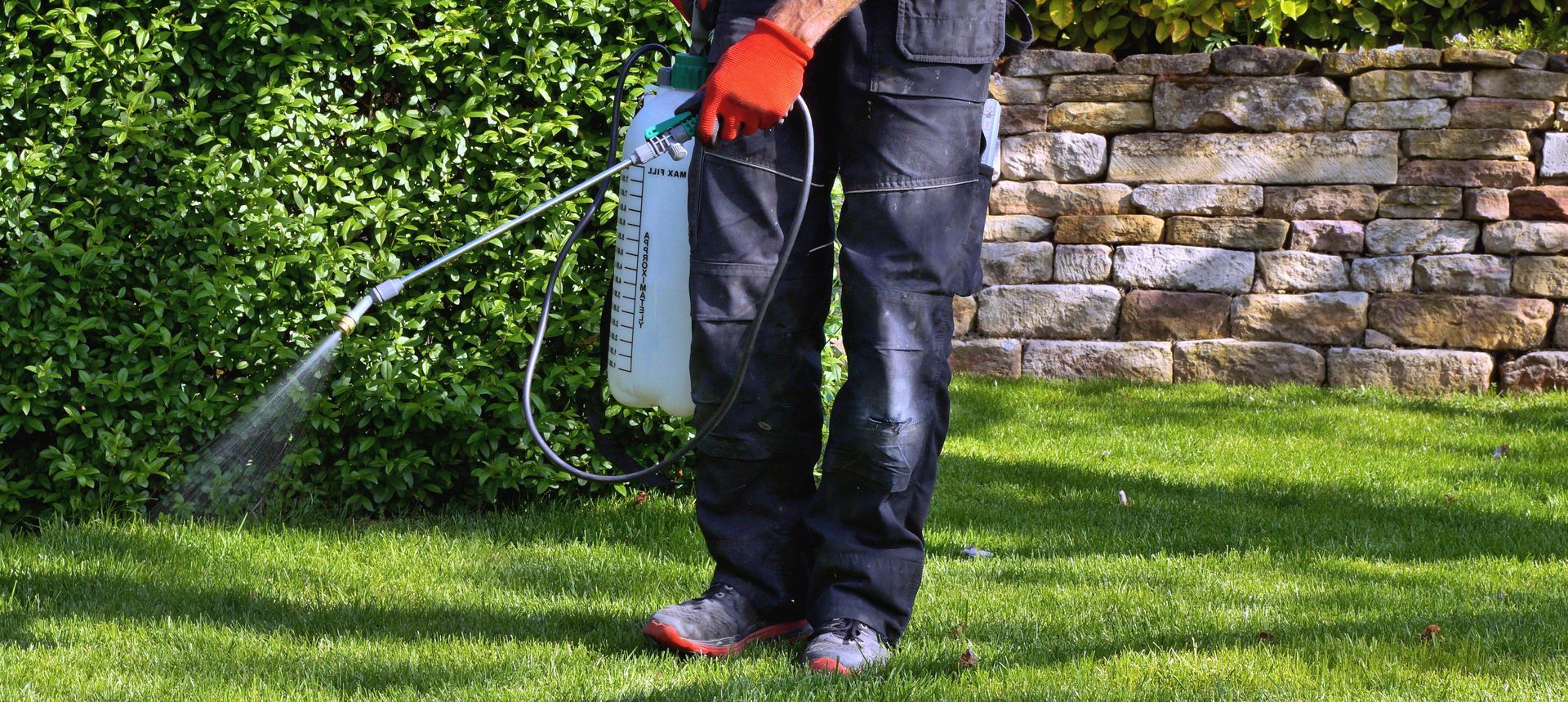
Effective pest control remains essential to preserving a lush, green yard without relying heavily on harsh chemical treatments. Employing eco-friendly pest management approaches protects beneficial insects while maintaining proper ecological balance across the property. Practical techniques such as introducing beneficial biological agents like predatory ladybugs or microscopic nematodes help keep troublesome turf pests under control naturally. Encouraging broader plant biodiversity throughout nearby garden beds further deters invasive insects by favoring natural predators and eliminating large monoculture vulnerabilities. Homeowners who adopt these integrated pest management strategies successfully minimize pest damage while protecting family health, pets, and the broader surrounding environment.
Choosing the Right Grass Type for Your Region
Selecting the correct turf variety for your specific geographic climate is critical to ensuring a resilient, thriving lawn over many years. Cool-season grasses, including Kentucky bluegrass, perennial ryegrass, and fine fescues, flourish in northern climates characterized by cold winters and moderate summer temperatures. Conversely, warm-season varieties, such as Bermuda grass, Zoysia, and St. Augustine, thrive under intense heat and sunlight, making them perfect choices for southern regions. Understanding the subtle weather shifts and seasonal patterns unique to your location will guide you toward choosing a grass species that naturally withstands regional climate challenges. This tailored selection reduces daily stress on the turf, leading to denser growth, better color retention, and significantly lower overall maintenance needs.
Sustainable grass species are gaining tremendous popularity among environmentally conscious property owners seeking to lower their weekly water usage and reduce synthetic fertilizer applications. These specialized varieties, including native grasses and drought-tolerant cultivars, are naturally pre-adapted to local environmental conditions and thrive with minimal artificial irrigation. Prioritizing sustainable lawn species allows homeowners to maintain an attractive green yard while responsibly conserving vital natural resources and lowering total household utility expenditures. Furthermore, selecting eco-friendly grass options supports broader biological diversity and long-term resilience against changing weather extremes, representing a highly strategic investment in a greener, healthier landscape.
For properties that experience high outdoor activity, such as yards used frequently by children or family pets, maximum durability becomes a top priority. Planting resilient varieties like turf-type tall fescue or perennial ryegrass offers superior resistance against heavy foot traffic and physical wear. These tough grass types possess quick germination rates, rapid recovery power, and deep, extensive root networks that rebound quickly after intensive use. Maintaining a durable lawn requires pairing the right seed selection with appropriate care techniques. Regular overseeding helps continuously rebuild worn-out high-use zones, while keeping correct cutting heights and balanced hydration preserves overall turf density and long-term structural strength.
Maintaining a Mowing and Watering Routine
Establishing proper cutting habits is fundamental to maintaining a healthy, visually uniform, and vibrant lawn throughout the growing season. A core principle of good mowing is removing no more than one-third of the total grass blade length during a single session, which encourages deeper root development and improves natural drought tolerance. Scalping the turf stresses the plant, leaving it vulnerable to weed invasion, insect infestations, and fungal diseases. Frequent, sharp-bladed mowing keeps the lawn neat, prevents messy thatch build-up, and encourages lateral growth for a thicker carpet-like feel. Consistent cutting habits represent one of the simplest, most effective steps toward maintaining a stunning yard.
Consistent, well-timed watering routines tailored to changing seasonal conditions are crucial for supporting deep root growth and lasting turf durability. Watering deeply yet infrequently trains grass roots to stretch deep into the subsoil, creating natural resilience against summer dry spells. Scheduling sprinkler cycles for the early morning hours minimizes evaporation loss from sun and wind while preventing prolonged moisture retention on leaf blades that can trigger fungal growth. Precision in watering routines produces healthier grass, reduces wasteful water runoff, and keeps monthly utility bills under control. Homeowners who embrace thoughtful irrigation habits easily balance high-end visual appeal with responsible water conservation.
Modern irrigation equipment brings remarkable convenience, precision, and efficiency to household lawn care by delivering exact amounts of water precisely where needed. Smart sprinkler systems and targeted drip irrigation lines adjust automatically according to live local weather forecasts, air temperatures, and ambient soil moisture readings. Installing automated, highly efficient irrigation hardware eliminates guesswork, stops unnecessary water waste, and preserves uniform color across the entire yard. By delegating watering tasks to automated smart controllers, property owners free up valuable personal time while ensuring their turf receives consistent care, supporting both ongoing landscape beauty and environmental stewardship.
Investing in professional Lawn Management drastically elevates home curb appeal, increases overall property value, and enhances everyday outdoor enjoyment for the entire family. Thoughtful local lawn care practices ensure long-term soil health, dense grass growth, and vibrant seasonal beauty across every inch of the residential landscape. By combining fundamental lawn health principles with expert guidance, homeowners can easily turn ordinary, tired yards into stunning, fully functional personal retreats that serve as natural extensions of their indoor living space.
Furthermore, dedicating effort to consistent local lawn care yields advantages that extend far beyond initial visual appeal. A deeply rooted, well-cared-for yard supports native biological diversity, aids in natural stormwater filtration, actively improves local air quality, and promotes long-term environmental sustainability within suburban ecosystems. Embracing routine, professional lawn management transforms surrounding green spaces into healthy, inviting environments that yield lasting pride, boosted neighborhood standing, and genuine personal satisfaction for many years to come.