November 16, 2026
Maintaining a healthy, vibrant lawn requires consistent attention and a strategic plan throughout the changing seasons. Unwanted vegetation competes aggressively with turf grass for sunlight, moisture, and soil nutrients, often turning an attractive yard into an uneven landscape. Homeowners seeking a pristine outdoor environment benefit from understanding how weeds develop, spread, and respond to regional climate shifts. A proactive approach ensures that lawn turf remains strong enough to resist weed pressure naturally while targeted treatments address persistent varieties before they spread across the property.
Achieving durable turf involves combining routine cultural practices with specialized lawn care solutions. When property owners enlist professional weed control services, they gain access to experienced technicians, proven treatment methods, and customized turf programs designed for regional growing conditions. Understanding the growth cycles of aggressive plant species enables homeowners to implement proactive measures rather than relying on reactive remedies. By coordinating sound cultural maintenance with experienced lawn professionals, residents can cultivate an inviting, resilient yard that thrives from spring through autumn.
1. Identify Weeds and Patterns
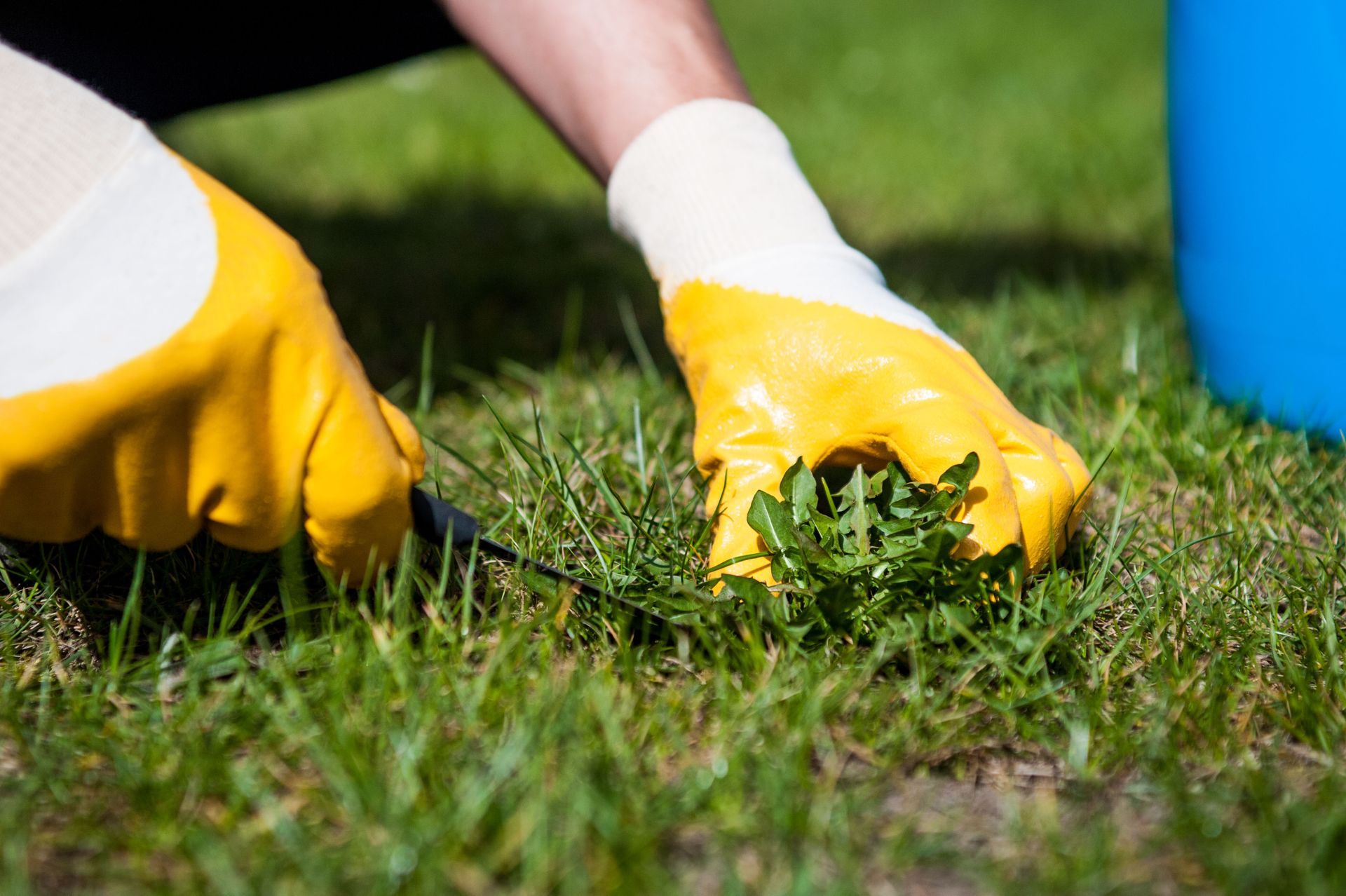
Accurate weed identification represents the foundation of any successful lawn care strategy. Lawn weeds generally fall into distinct botanical categories, mainly broadleaf weeds and grassy weeds. Broadleaf invaders, such as dandelions, clover, and plantain, feature wide leaves and frequently produce distinct flowers. Grassy weeds, including crabgrass and foxtail, closely mimic desirable turf blades, making them harder to distinguish upon casual inspection. Identifying specific weed species allows homeowners to select appropriate cultural practices that address the exact vulnerabilities of each unwanted plant.
Recognizing seasonal growth patterns allows property owners to anticipate weed emergence and take preventative action. Cool-season weeds emerge during the mild temperatures of early spring and autumn, while warm-season weeds flourish during the heat of midsummer. According to Preen, roughly 3% (8,000 of 250,000) of botanical species throughout the world are considered weeds, showing that even a narrow fraction of plant life can trigger persistent turf problems. Partnering with professional weed control services helps homeowners track these seasonal cycles and apply targeted treatments before weeds establish deep root systems.
2. Coordinate Mowing and Maintenance
Proper mowing practices serve as an effective cultural defense against weed establishment. Setting mower blades to a higher cutting height encourages grass plants to develop deeper root systems, enabling the turf to shade the soil surface. This shading prevents sunlight from reaching weed seeds that lie dormant in the ground, substantially reducing germination rates. Homeowners should cut only the top portion of the grass blades during any single mowing session to avoid stressing the turf canopy. Maintaining clean, sharp mower blades ensures clean cuts that heal rapidly, preventing turf injuries that allow weed seeds to take root.
Routine equipment sanitation and debris management further support a clean lawn environment. Mower decks can harbor weed seeds and fungal spores from neighboring areas, inadvertently spreading unwanted vegetation across the lawn during subsequent mowing sessions. Cleaning mowing equipment after trimming weedy areas prevents cross-contamination throughout the property. Pairing routine mechanical upkeep with comprehensive weed control services provides a dual layer of defense, keeping turf grass healthy while minimizing the need for heavy herbicide use.
3. Apply Herbicides and Treatments
Timely herbicide applications provide targeted control when cultural maintenance alone cannot suppress aggressive weeds. Pre-emergent herbicides establish a protective chemical barrier in the upper soil layer, preventing weed seedlings from developing root structures as they germinate. Applying pre-emergent products during early spring halts crabgrass and other annual intruders before green shoots appear. Homeowners who schedule weed control services receive properly timed applications based on soil temperatures, ensuring optimal barrier performance without damaging established turf grasses.
Post-emergent treatments address weeds that have already broken through the surface and invaded the yard. Systemic post-emergent solutions absorb through the foliage of target weeds, traveling down into root systems to eliminate persistent perennial weeds like wild violet and thistle. Selective herbicides eliminate target weeds while preserving the surrounding turf grass, avoiding bare patches that invite new weeds. Careful product selection and calm weather conditions during application prevent drift onto non-target plants, ensuring safe and effective control.
4. Utilize Mulch and Barriers
Natural ground coverings and landscape barriers prevent weed encroachment along turf borders, tree basins, and garden beds. Spreading organic wood mulch around trees and shrubs blocks sunlight from underlying soil, suppressing weed seeds while retaining valuable soil moisture. Maintaining distinct landscape edges between turf areas and garden beds stops invasive ground covers from creeping into the lawn. These physical barriers reduce the weed seed bank near the turf perimeter, creating a cleaner boundary for lawn maintenance.
Natural remedies and cultural barriers complement broader lawn care programs by addressing localized weed patches without synthetic products. Organic solutions such as horticultural vinegar can dehydrate small annual weeds along driveway cracks, stone walkways, and patio edges. Integrating these cultural practices with professional weed control services helps property owners maintain orderly landscape beds while keeping lawn borders free from aggressive perennial weeds.
5. Manage Water and Nutrients
Proper hydration practices encourage turf density while discouraging weed varieties that thrive in poorly drained or parched turf. Deep, infrequent watering promotes deep root development in desirable turf grasses, making the lawn resilient during hot summer periods. Overwatering creates swampy soil conditions that encourage sedges, moss, and broadleaf weeds to proliferate. Utilizing water management programs like Aqua Saver treatments improves soil moisture retention, allowing grass roots to absorb hydration efficiently while minimizing weed opportunities. Pairing proper hydration with specialized weed control services keeps turf lush and competitive.
Balanced fertilization programs deliver essential nutrients that turf grass requires to crowd out competing weeds. Applying fertilizers tailored to specific lawn conditions supports vigorous root growth and dense foliage, leaving little bare space for weed seeds to germinate. Misapplying excessive fertilizer can cause turf burn or stimulate weed flushes, making precise nutrient distribution essential for long-term turf vitality. Science-based nutrient management strengthens grass blades and optimizes soil chemistry, providing natural protection against weed infiltration throughout every growing season.
6. Foster Density and Resilience
Creating a dense, competitive lawn ecosystem represents the most reliable long-term defense against weed colonization. Core aeration relieves compacted soil, allowing oxygen, water, and vital nutrients to reach root zones where turf needs them most. Overseeding immediately following aeration introduces improved, resilient grass cultivars into thin areas, establishing a thick turf canopy that leaves no room for opportunistic weeds. Healthier soil biology and root expansion give turf grass the decisive competitive advantage over invasive species.
A proactive, comprehensive lawn maintenance program integrates soil health, proper seeding, and disease prevention to sustain turf vitality. Regular inspections allow homeowners to detect fungal issues, pest activity, and thinning grass before weeds exploit these weaknesses. Incorporating scheduled weed control services into an ongoing lawn care regimen ensures prompt intervention whenever unexpected weed outbreaks arise. Consistent care and seasonal stewardship protect your landscape investment, creating an enviable lawn that remains green and resilient year after year.
Sustaining a weed-free lawn requires an integrated approach that unites proper cultural habits with targeted treatments across every season. From understanding weed biology and adjusting mowing heights to optimizing soil hydration and aeration, each management practice strengthens the turf canopy against unwanted invaders. Consistent attention to turf health prevents minor weed appearances from developing into extensive infestations that compromise your outdoor living space.
Enlisting professional weed control services provides homeowners with specialized expertise and proven programs tailored to regional growing conditions. When proactive cultural techniques work in harmony with experienced lawn care specialists, maintaining a lush, vibrant yard becomes an achievable reality. Contact our team at Lawn Management today to schedule a comprehensive property assessment, and let us help you achieve a resilient, weed-free lawn all year long.