November 10, 2026
A healthy lawn takes more than occasional mowing. Soil conditions, weather, grass variety, pests, and the amount of foot traffic all influence how well a landscape grows. When problems appear, the right solution often requires more than a quick fix. Professional local lawn care services can assess these factors, recommend practical improvements, and complete projects that help a property look its best throughout the year. From correcting thin grass to improving irrigation, experienced professionals offer services suited to both routine maintenance and larger outdoor improvements.
How Can Local Lawn Care Services Improve Lawn Health?
A lawn's appearance is often a reflection of what is happening beneath the surface. Compacted soil, nutrient deficiencies, improper watering, and pest activity can all contribute to weak growth, discoloration, or bare patches. Local lawn care professionals can evaluate these conditions before recommending treatments, helping property owners address the underlying causes instead of repeatedly treating visible symptoms.
Soil testing is one useful starting point. It can reveal the soil's pH and nutrient levels, giving technicians a better understanding of what the grass needs. Based on those results, they can recommend an appropriate fertilizer and application schedule.
Professionals can also identify common lawn pests and signs of disease. Brown areas, thinning turf, and irregular patches may have several possible causes, so accurate identification is important before treatment begins. A customized plan may combine fertilization, weed management, watering adjustments, and monitoring.
What Renovation Projects Can Lawn Care Experts Manage?
Some lawns need more than regular maintenance to recover their appearance. Heavy use, prolonged neglect, poor growing conditions, or years of compaction can leave turf thin and uneven. Local lawn care renovation projects address these problems by improving the conditions for new grass to establish and existing grass to grow more vigorously.
Reseeding and overseeding are common options. Reseeding may be appropriate when large areas have little or no healthy turf, while overseeding introduces additional grass seed into an existing lawn to fill thin spots and improve density. Selecting a grass variety suited to the property's climate, sunlight, and soil conditions is essential. Professionals can also prepare the surface and recommend watering practices that support germination.
Aeration is another valuable renovation service. The process removes or opens small channels in compacted soil, allowing air, water, and nutrients to reach grass roots more effectively. It is often especially helpful in high-traffic areas where soil has become dense. Topdressing, which involves applying a thin layer of suitable material over the lawn, can help improve the soil surface and support more even growth when performed appropriately.
Depending on the lawn's condition, a renovation plan may combine aeration, overseeding, and topdressing rather than relying on a single treatment. Professional local lawn care teams can determine which combination is suitable and explain what results homeowners can reasonably expect.
Do Lawn Care Services Provide Irrigation Solutions?
Watering has a major influence on lawn health, but providing the right amount can be difficult without an effective system. Too little water can stress grass and limit root development, while excessive watering may encourage shallow roots, runoff, or disease. Local lawn care irrigation services help property owners distribute water more consistently and avoid unnecessary waste.
Depending on their capabilities, lawn care providers may install new irrigation systems, maintain existing equipment, or coordinate repairs. Installation generally begins with evaluating the property's layout, lawn dimensions, soil, sun exposure, and planting areas. That information helps determine where sprinkler heads should be placed and how watering zones should be organized. A properly designed system can deliver coverage where it is needed without repeatedly soaking sidewalks, driveways, or other hard surfaces.
Maintenance is equally important. Broken sprinkler heads, leaking lines, clogged nozzles, and incorrect timer settings can lead to uneven coverage and higher water use. Seasonal inspections can identify these problems before they cause significant turf damage. Some systems also include rain sensors or smart controllers that adjust watering based on weather conditions.
What Maintenance Services Do Local Experts Offer Beyond Mowing?
Mowing is visible and familiar, but it represents only one part of maintaining a healthy lawn. Grass also needs appropriate nutrients, effective weed management, suitable soil conditions, and attention to changing growth patterns. Local lawn care maintenance programs address these needs through services scheduled around the property and its growing conditions.
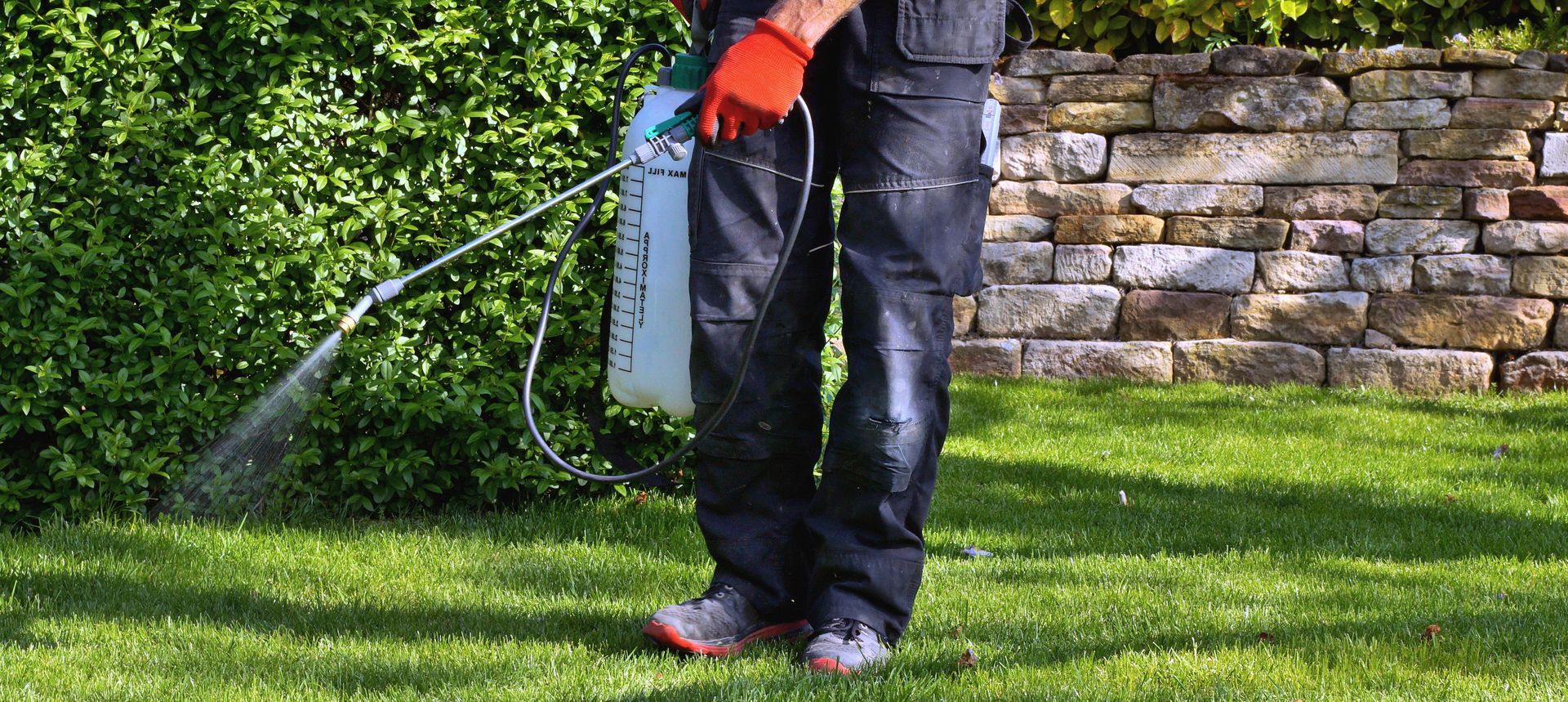
Weed control is a common part of this work. Broadleaf weeds and grassy weeds compete with desirable turf for sunlight, water, and nutrients. Identifying the weeds present helps determine the appropriate control method and timing. Preventive treatments may reduce certain weeds before they emerge, while targeted applications can address established growth. A professional can explain treatment options and any precautions homeowners should follow.
Soil testing and fertilization are also important beyond the initial lawn assessment. Nutrient needs can change as grass grows, seasons shift, and soil conditions develop. A tailored maintenance schedule helps avoid unnecessary applications while providing nutrients when they are most useful.
A maintenance plan should reflect the lawn's actual needs rather than applying the same treatments everywhere. Shade, drainage, soil type, grass variety, and household activity can all affect the schedule.
What Seasonal Services Are Offered by Local Lawn Care Professionals?
Lawn care requirements change throughout the year. Seasonal services help prepare grass for periods of active growth, heat, cold, and dormancy. Planning ahead can reduce stress on turf and make routine maintenance more effective.
Spring preparation often includes clearing winter debris, inspecting the lawn for damage, checking soil conditions, and identifying areas that need repair. Depending on the grass type and local weather, professionals may recommend fertilization, weed prevention, or overseeding. Irrigation systems can also be inspected and restarted, with damaged components repaired before regular watering begins.
Summer maintenance focuses on managing heat and moisture stress. Mowing height, watering frequency, and treatment timing may need adjustment as temperatures rise. Technicians can monitor thinning areas, weed activity, and signs of disease, while helping homeowners avoid practices that place additional stress on grass during hot weather.
Fall is an important period for strengthening many cool-season lawns. Aeration and overseeding may help improve density, while appropriate fertilization supports root development before winter. Fall cleanup can also remove leaves and other debris that would otherwise block sunlight or hold excess moisture against the turf. In colder regions, preparing irrigation equipment for freezing temperatures is another useful step.
According to Service Autopilot, approximately 50% of winter service providers operate multi-line businesses that offer both lawn care and snow removal. This illustrates how some property service companies support customers across different seasons, rather than limiting their work to the growing months. Homeowners may be able to coordinate fall and winter property needs with one provider, depending on the services available in their area.
Keep Your Lawn Healthy With Professional Support
A thriving lawn depends on several connected factors, from soil quality and irrigation to seasonal maintenance and timely renovation. Professional services can help homeowners identify what their property needs and prioritize projects that will make a lasting difference. Whether the goal is repairing bare patches, improving water distribution, managing weeds, or preparing for winter, experienced
local lawn care providers offer practical support at every stage.
The best approach begins with an assessment of the lawn's current condition, followed by a plan that accounts for the property's layout, grass type, and maintenance goals. With appropriate services and consistent care, homeowners can protect their investment, improve curb appeal, and enjoy a healthier outdoor space throughout the year. If you're looking for lawn care services, reach out to Lawn Management today!